-
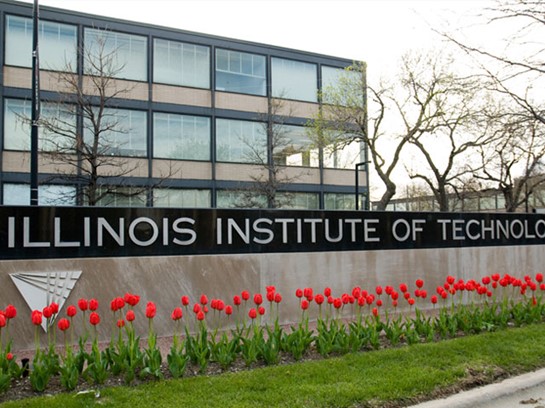 Workshop | Recovering Data in a Digital Forensics ExaminationCHICAGO, USA MARCH 1, 2023
Workshop Title:
Recovering Data in a Digital Forensics Examination
Date:
March 1st, 2023 (CST)
Organizer:
ITM Department, Illinois Institute of Technology, USA
Keywords:
- Digital Forensics
- Data Recovery
- Cybercrime
- Electronic Data
- Imaging
- Chain of Custody
- File System
- Data Carving
- Tools and soft
- Cybersecurity
- Legal and Ethical Considerations
Workshop Chair:
Personal Bio:
Dr. Omar's Academic career has consistently focused on applied, industry-relevant cyber security, Data Analytics, machine learning, application of AI to cyber security and digital forensics research and education that delivers real-world results. He brings a unique combination of industry experience as well as teaching experience gained from teaching across different cultures and parts of the world. He has an established self-supporting program in machine learning application to cyber security. He has established a respectable research record in AI and cyber security exemplified in the dozens of published papers and book chapters that have gained recognition among researchers and practitioners (more than 272 Google scholar citations thus far). He is actively involved in graduate as well as undergraduate machine learning education including curriculum development and assessment.
Dr. Omar has recently published two books with Springer on Machine Learning and Cyber Security and has also published research with IEEE conference on Sematic Computing. Additionally, Dr. Omar holds numerous industry certifications including Comptia Sec+, ISACA CDPSE, EC-Council Certified Ethical Hacker, and SANS Advanced Smartphone Forensics Analyst.
Dr. Omar has been very active and productive in both academia as well as the industry and he is currently serving as an associate professor of cyber security at Illinois Institute of Technology.
Workshop Description:
Background:
The increasing prevalence of cybercrime has led to a growing need for digital forensics professionals who can collect and analyze electronic data to investigate and prevent cybercrime. Digital forensics is the process of using scientific and analytical techniques to preserve, collect, and analyze digital evidence in a manner that is admissible in a court of law.
One of the critical tasks in digital forensics investigation is recovering data, which involves the retrieval of lost or deleted data from electronic devices. This process is essential for reconstructing the events that led to the cybercrime and identifying the parties involved.
Data recovery is a complex process that involves various techniques and tools, including imaging, cloning, and data carving. These techniques are used to retrieve data from different types of digital storage devices, including hard disks, solid-state drives, and mobile devices.
The importance of data recovery in digital forensics investigation cannot be overstated. It is often the difference between a successful investigation and an unsuccessful one. The recovered data provides valuable insights into the actions of the perpetrator, the motive behind the crime, and the extent of the damage caused.
However, data recovery must be conducted in a manner that preserves the integrity of the data and adheres to best practices for data handling. Failure to do so may result in the loss or destruction of critical evidence, rendering the investigation ineffective.
Therefore, a workshop on recovering data in a digital forensics examination is crucial for equipping digital forensics professionals with the necessary knowledge and skills to effectively recover data and reconstruct events during a digital forensics investigation. The workshop will cover the different techniques and tools used in data recovery, the legal and ethical considerations, and best practices for data handling.
Goal/Rationale:
The goal of this workshop on recovering data in a digital forensics examination is to equip digital forensics professionals with the knowledge and skills necessary to effectively recover data and reconstruct events during a digital forensics investigation.
The workshop aims to provide an in-depth understanding of the different types of digital storage devices, file systems, and techniques used in data recovery. Participants will learn how to use various tools and software for data recovery, including open-source and commercial solutions.
The workshop also aims to educate participants on the legal and ethical considerations when handling recovered data, including privacy and confidentiality issues. Participants will learn about the importance of preserving the integrity of the data during the recovery process, including maintaining a chain of custody and adhering to best practices for data handling.
By the end of the workshop, participants should have a solid understanding of the data recovery process and be able to apply the techniques and tools learned to recover data effectively. The workshop will also provide participants with the knowledge and skills necessary to testify in court as expert witnesses on matters related to data recovery.
Overall, the goal of this workshop is to enhance the knowledge and skills of digital forensics professionals in data recovery and contribute to the effective investigation and prevention of cybercrime.
Scope and Information for Participants:
The scope of this workshop on recovering data in a digital forensics examination includes an in-depth analysis of the different types of digital storage devices, file systems, and data recovery techniques. Participants will learn how to use various tools and software for data recovery, and the legal and ethical considerations when handling recovered data.
Participants will benefit from the knowledge and skills acquired in the workshop, which will help them to effectively recover data and reconstruct events during digital forensics investigations. The workshop is open to digital forensics professionals, law enforcement officers, and other professionals involved in the investigation and prevention of cybercrime.
Highlights:
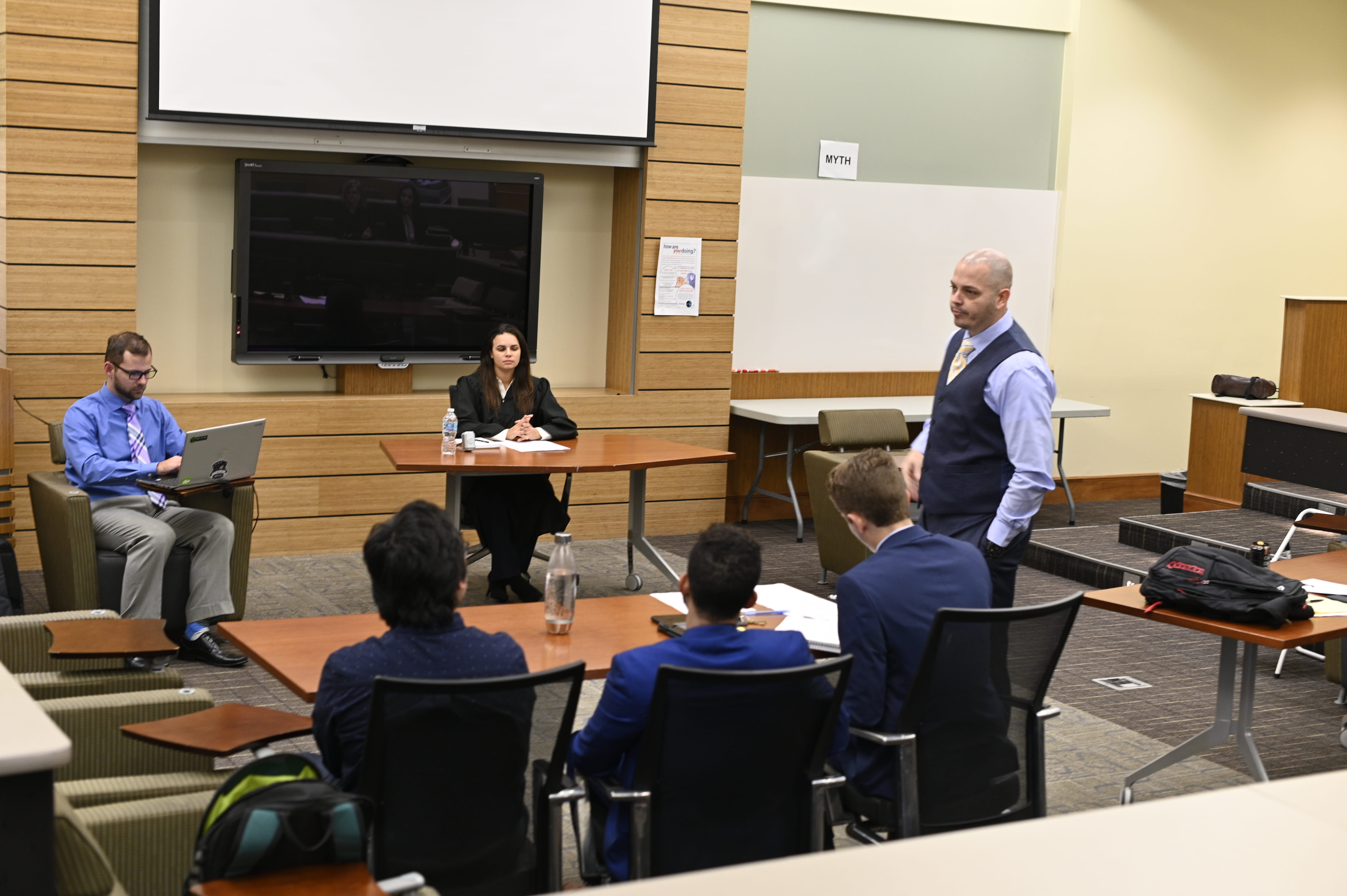
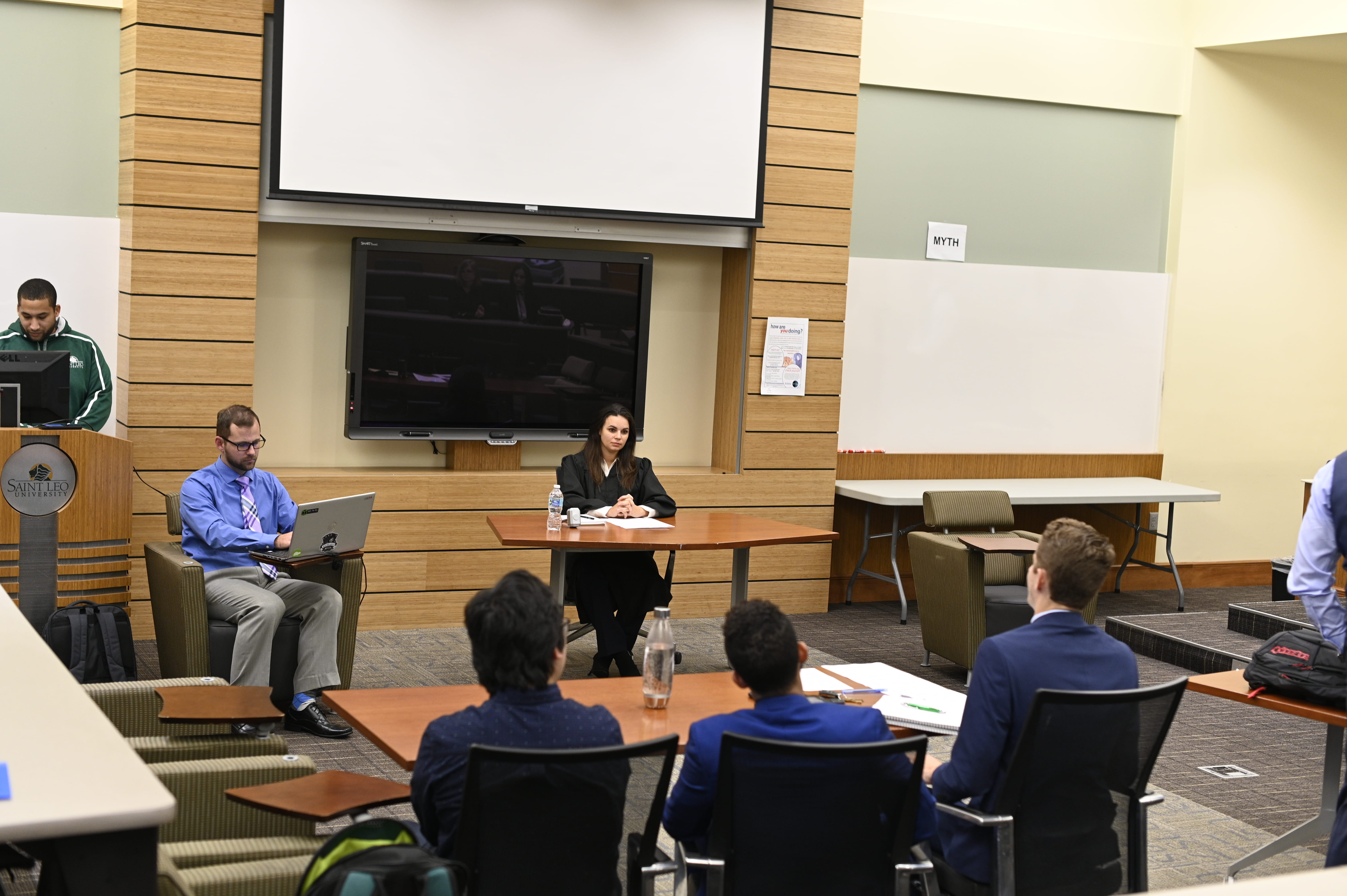
A workshop on recovering data in a digital forensics examination will cover various techniques and tools used in data recovery. The workshop will cover the different types of data storage devices, including hard disks, solid-state drives, and mobile devices. The techniques for recovering data from these devices will be discussed in detail, including imaging, cloning, and data carving.
The workshop will also cover the different file systems used in digital storage devices and how to recover data from each of them. The tools and software used for data recovery, including open-source and commercial solutions, will also be discussed.
Participants will learn about the importance of preserving the integrity of the data during the recovery process, including maintaining a chain of custody and adhering to best practices for data handling. The workshop will also cover the legal and ethical considerations when handling recovered data, including privacy and confidentiality issues.
Overall, the workshop on recovering data in a digital forensics examination will equip participants with the knowledge and skills necessary to effectively recover data and reconstruct events during a digital forensics investigation.
Access to Workshop:
CONF-SEML 2023 Workshop -- Recovering Data in a Digital Forensics Examination - YouTubeVenue:
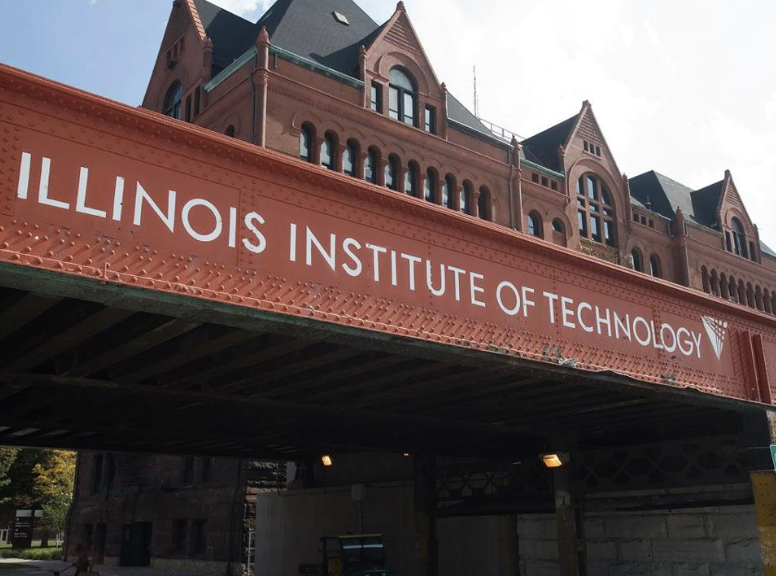
Illinois Institute of Technology, 10 W 35th St, Chicago, IL 60616
VISA:
U.S. Visas (state.gov)
In order to ensure the information is correct and up to date, there may be changes which we are not aware of. And different countries have different rules for the visa application. It is always a good idea to check the latest regulations in your country. This page just gives some general information of the visa application.
US Visa Information
The B-1/B-2 visitor visa is for people traveling to the United States temporarily for business (B-1) or for pleasure or medical treatment (B-2). Generally, the B-1 visa is for travelers consulting with business associates; attending scientific, educational, professional, or business conventions/conferences; settling an estate; or negotiating contracts. The B-2 visa is for travel that is recreational in nature, including tourism; visits with friends or relatives; medical treatment; and activities of a fraternal, social, or service nature. Often, the B-1 and B-2 visas are combined and issued as one visa: the B-1/B-2.
Application Items
If you apply for a business/tourist visa, you must pay your $160 application fee and submit the following:
- A Nonimmigrant Visa Electronic Application (DS-160) Form. Visit the DS-160 web page for more information about the DS-160.
- A passport valid for travel to the United States with a validity date at least six months beyond your intended period of stay in the United States (unless country-specific agreements provide exemptions). If more than one person is included in your passport, each person desiring a visa must submit an application.
- One (1) 2 x 2 inches (51 x 51 mm) photograph taken within the last six months.
- If a visa is issued, there may be an additional visa issuance reciprocity fee, depending on your nationality.
In addition to these items, you must present an interview appointment letter confirming that you booked an appointment through this service. You may also bring whatever supporting documents you believe support the information provided to the consular officer.
Supporting Documents
- Invitation letter from business or school.
- Detailed CV or resume including a list of publications.
- Complete itinerary, including all meetings, conferences, and visits; include names, addresses, and telephone numbers of your hosts.
- For other materials, please refer to the U.S. Embassy or Consulate website.
NOTICE:
Should your application be denied, the organizing committee cannot change the decision of visa officer, nor will CONF-SEML engage in discussion or correspondence with the visa application center on behalf of the applicant. The registration fee CANNOT be refunded when the VISA application of individual being denied.


Sometimes it is the people who no one imagines anything of, that do the things that no one can imagine.